
Executive AI Strategy · 2025-11-26 · 4 min read
Adaptive Marketing Ops: The New Mode of Modern Marketing
AI hasn’t rewritten marketing — it’s unlocked a completely new mode of operating. Adaptive Marketing Ops blends always-on channel intelligence, rapid content flow, community-first engagement, AEO, and modular content systems to help modern teams move at market speed.
Modern marketing is changing at a pace that traditional processes cannot keep up with. Teams are feeling the pressure to produce more content, personalize their messaging, support sales, and show results faster. At the same time, customers expect clarity, relevance, and helpful guidance from the brands they trust.
AI has reshaped this landscape. It allows marketers to sense real signals in the market, simplify complex workflows, and move with more speed and confidence. The fundamentals of marketing have not changed, but the way we work has.
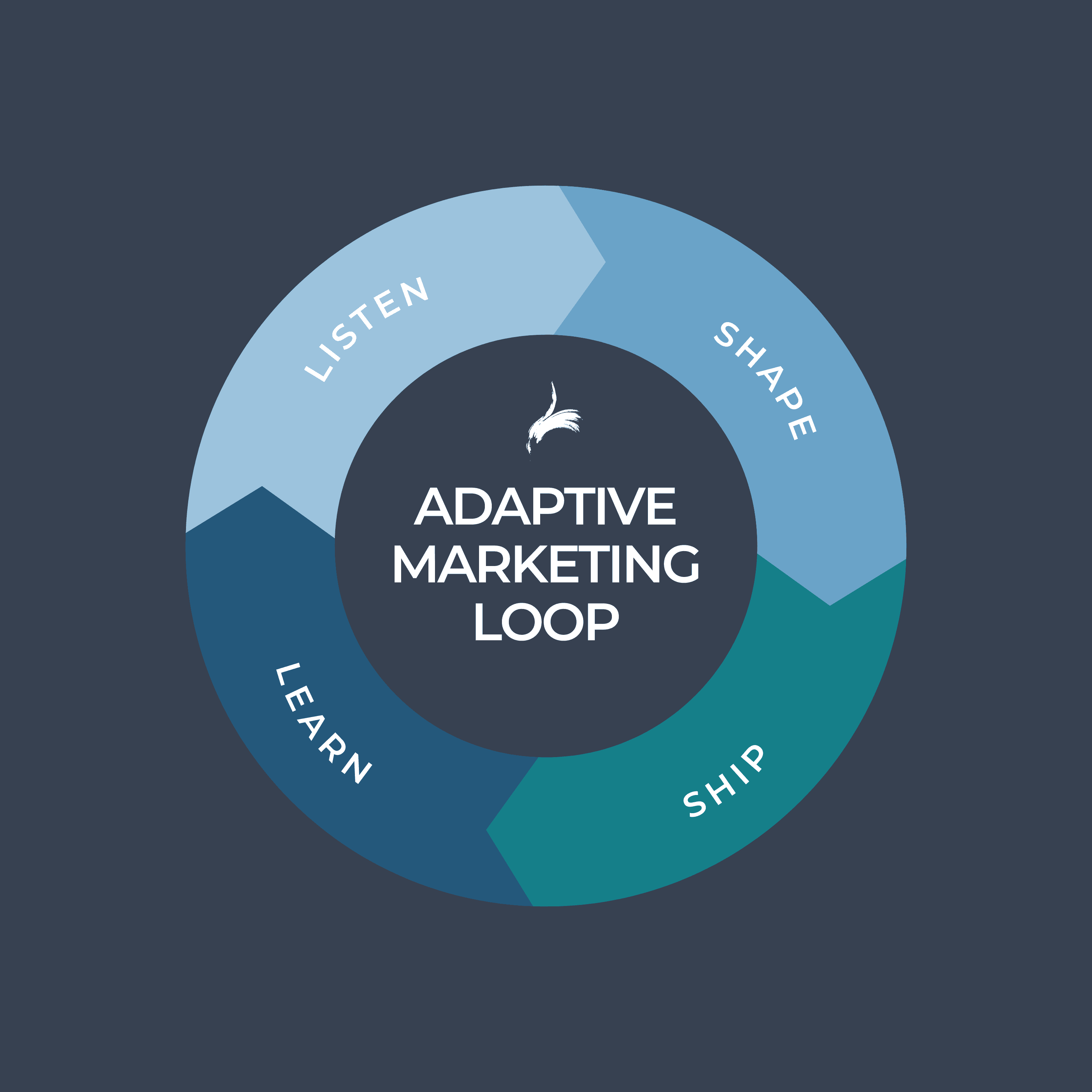
This shift is leading to a new model I call Adaptive Marketing Ops.
It helps teams stay aligned, reduce friction, and create work that stays relevant in an AI-shaped world.
This article breaks down the five principles behind this approach and how modern teams can apply them.
1. Always-On Channel Intelligence
Your strongest insights come from the places where customers gather on their own. These conversations are rarely captured in a dashboard, yet they contain the clearest view of what people care about.
Places like:
- Subreddits
- Slack communities
- Discord servers
- Niche forums
- Review sites
- YouTube and creator comment threads
AI helps marketers monitor these channels and identify patterns. It highlights the language customers use, the questions they ask, and the concerns that surface repeatedly. It also reveals early signals of new pain points or emerging needs.
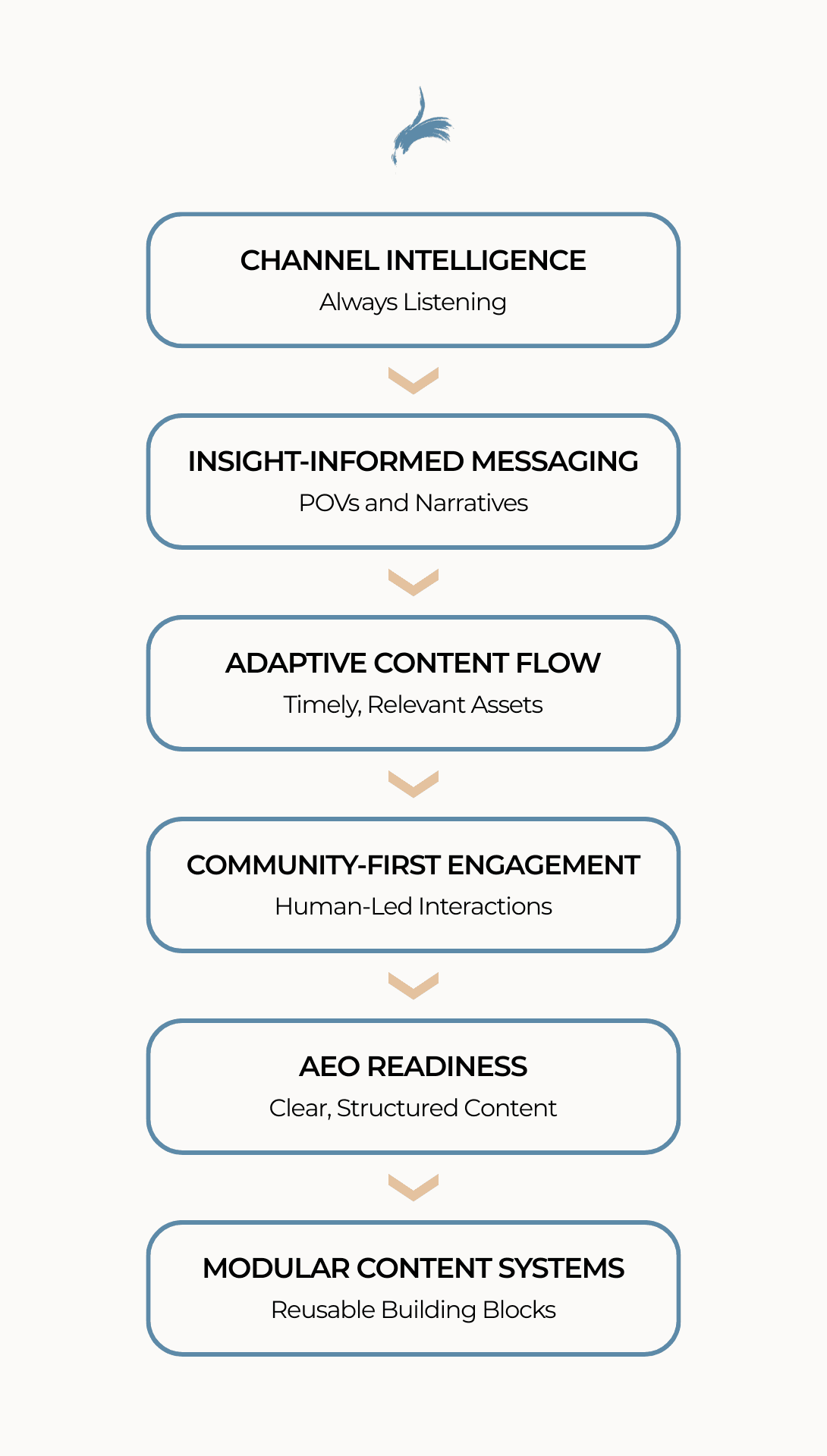
This intelligence shapes how you communicate. It supports a sharper point of view and makes your content more relevant. Marketing becomes clearer when you begin with the customer’s voice.
2. Content as a Continuous Flow
Fast marketing is not about high volume. It is about reducing friction and keeping your content engine moving with purpose.
AI supports this through:
- Fast asset creation
- Industry and persona variations
- On-demand sales support materials
- Expanded learning hubs
- Message and format testing with less effort
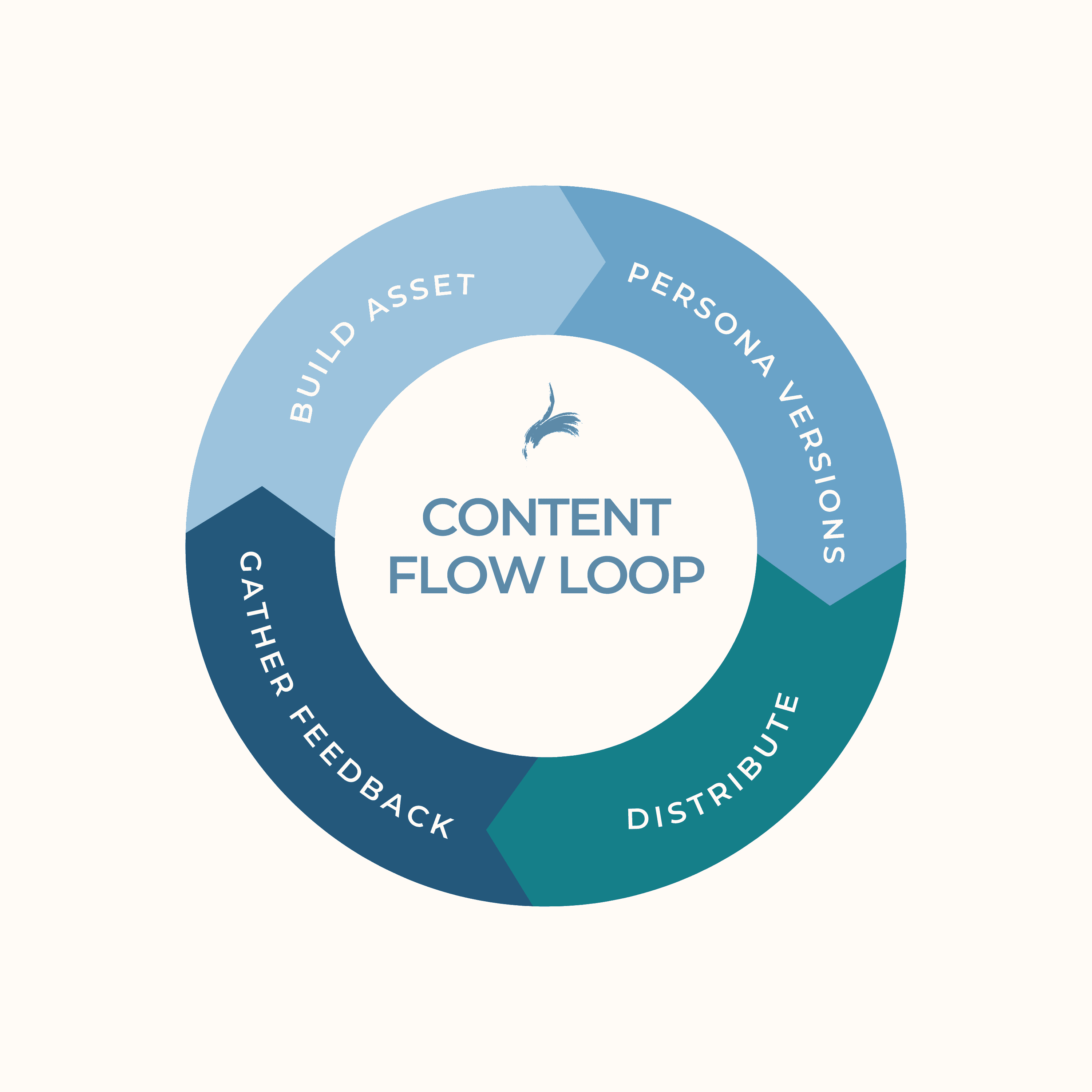
This creates a steady and organized content flow. It supports every part of the go to market motion without overwhelming your team.
3. Community-First Engagement
AI frees marketers to invest more time in human conversations. It helps remove busywork and gives teams room to connect with customers and communities in meaningful ways.
Community-first thinking becomes more practical when AI handles routine tasks. Insights from your listening channels guide your frameworks, examples, and educational materials. This strengthens trust and makes your work feel more supportive.
Adaptive marketing becomes personal when you respond with empathy and clarity based on real understanding.
4. AEO for an AI-Native Search Landscape
Search behavior is shifting toward natural language. People ask full questions, and AI tools summarize information from across the web.
Answer Engine Optimization (AEO) helps your content show up in these summaries. It focuses on:
- Clear explanations
- Structured, scannable information
- Factual content
- Helpful answers to specific questions
AEO works alongside SEO and prepares your brand for AI-first search experiences.
5. Modular Content Systems
High performing teams rely on reusable building blocks. These modules create consistency and speed without sacrificing quality.
Examples include:
- Proof points
- Micro-stories
- POV statements
- Demo scripts
- Frameworks
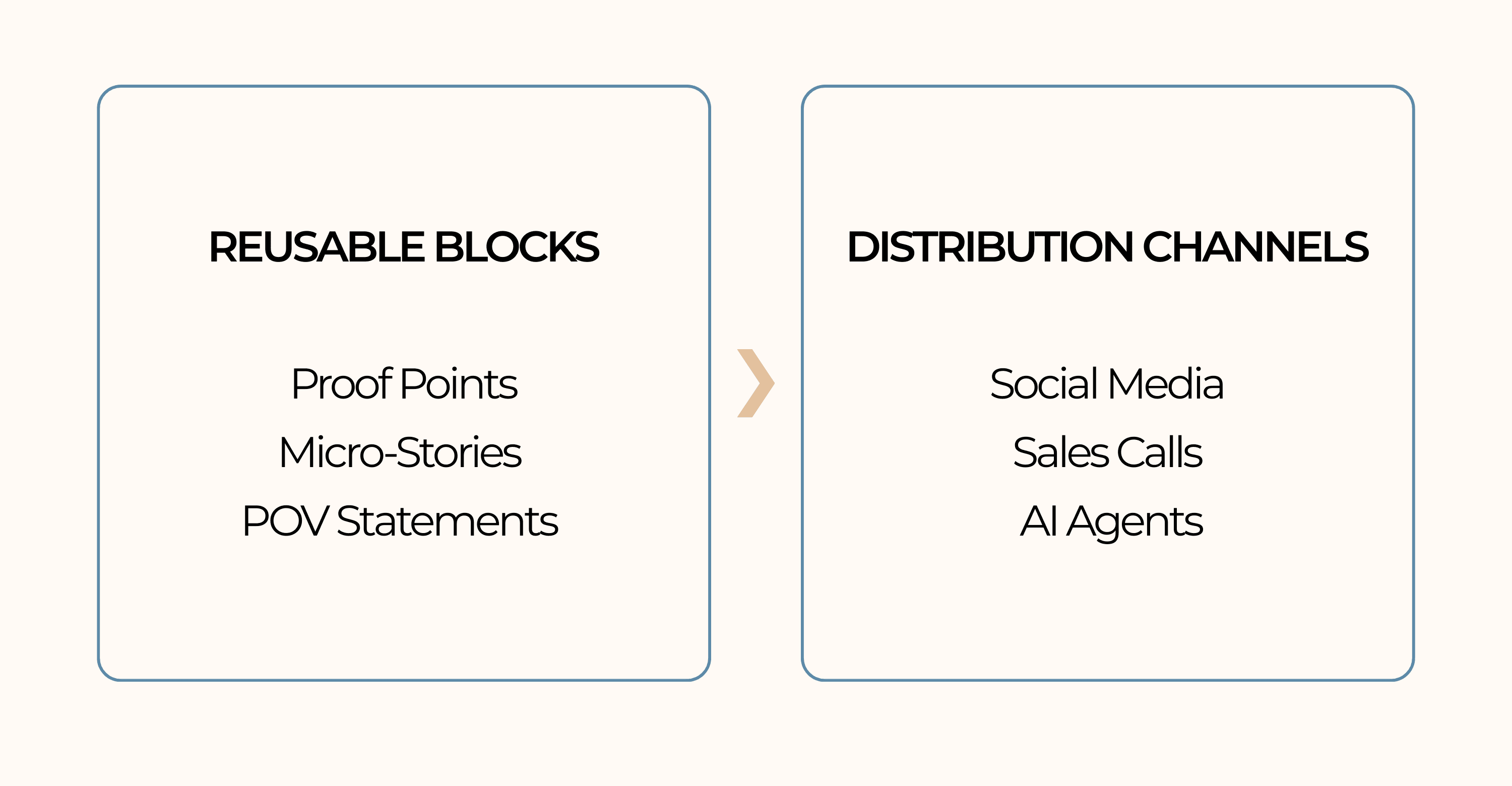
You create the block once and use it across your website, sales materials, campaigns, workflows, and AI agent prompts. This becomes the base of an adaptive, AI-ready marketing operation.
Key Takeaways
- Adaptive Marketing Ops helps teams stay aligned and move at market speed.
- AI supports the work while humans guide the vision.
- Continuous listening clarifies your messaging and content decisions.
- Modular systems reduce friction and improve the quality of your output.
- The more aligned your building blocks are, the faster your entire go to market engine moves.
Frequently Asked Questions about Adaptive Marketing Ops
What is Adaptive Marketing Ops?
Adaptive Marketing Ops is a framework developed by Skylark 118. It helps marketing and GTM teams respond to real market signals with more clarity and speed. The approach combines always-on listening, faster content workflows, community engagement, answer engine optimization, and modular content systems.
How does AI enable Adaptive Marketing Ops?
AI makes it easier to monitor natural customer conversations, summarize themes, and reduce manual work across content and GTM workflows. The model used at Skylark 118 focuses on using AI to support higher value work, not replace strategy or relationships.
How is Adaptive Marketing Ops different from traditional marketing operations?
Traditional marketing operations rely on fixed plans and campaign cycles. The Skylark 118 model uses continuous listening, modular content, and fast adjustment loops so teams can stay aligned and respond quickly to market needs.
What is Answer Engine Optimization and why is it important here?
Answer Engine Optimization, or AEO, prepares your content for AI-forward search experiences. Skylark 118 incorporates AEO into Adaptive Marketing Ops to help teams create clear, structured content that can be easily understood and surfaced by AI tools.
What types of teams benefit most from Adaptive Marketing Ops?
Marketing, revenue, and go to market teams working in fast changing environments see the most value. The Skylark 118 framework is especially helpful for organizations that need to support sales, scale thought leadership, and respond to evolving customer needs.
How can a team get started with Adaptive Marketing Ops?
A simple starting point is to begin listening across key communities, document the top themes, and connect those insights to your messaging. From there, Skylark 118 helps teams build modular content blocks, strengthen AEO structure, and design feedback loops that support ongoing improvement.
—
This new mode of marketing is not about producing more work. It is about creating the right work with more clarity and less friction. Adaptive Marketing Ops gives teams a way to stay current, stay connected, and stay human in an AI-driven environment.